






Inside the article
Request a product demo
Get a demo and clarify your doubts about our software.
Key Takeaways
- Taxi businesses in 2026 succeed by focusing on niche, high-demand services.
- Technology-driven models using AI, EVs, and apps improve efficiency.
- Regulated services like NEMT and school transport offer steady demand with compliance requirements.
- Starting small, validating demand, and scaling gradually reduces risk and improves long-term success.
The U.S. taxi industry is expected to grow from $82.65 billion in 2024 to $159.13 billion by 2033, showing a compound annual growth rate (CAGR) of 7.55%, moving beyond transportation to include electric vehicles, AI, subscriptions, and specialized services.
This guide shows you 10 unique taxi business ideas for 2026, outlining each model's operation, target audience, startup steps, and estimated costs.
10 New & Trending Taxi Business Ideas For 2026
1. Robo taxi/self-driving taxi
RoboTaxis are self-driving electric vehicles that provide on-demand transportation without a human driver behind the wheel.
These vehicles are designed to operate within specifically designated geofenced zones, using artificial intelligence and advanced sensor suites to navigate urban environments.
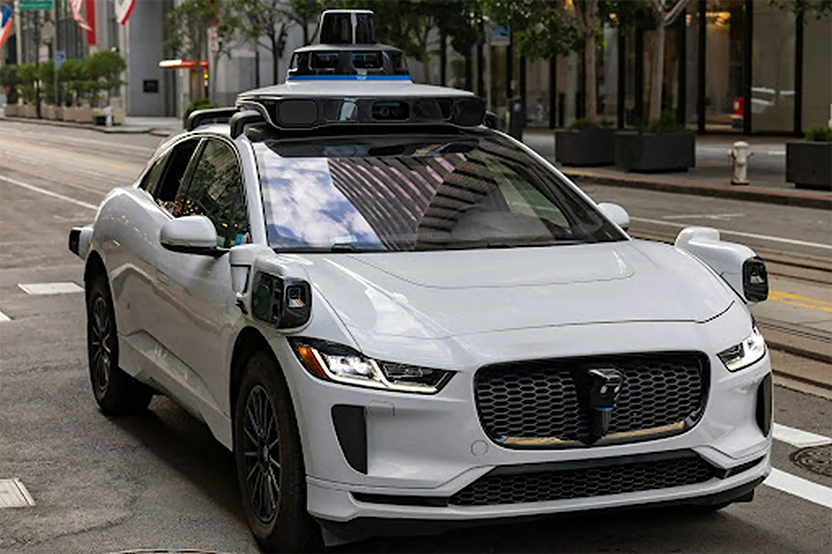
How Robo Taxi Works
- Sensor Suite: Utilizes cameras, LiDAR, and radar for a 360-degree view to detect the environment in real time.
- AI & Computing: Onboard systems interpret sensor data and use machine learning to predict and make quick driving decisions.
- Ride Management: Trips are requested via a smartphone app, managing vehicle dispatch and real-time tracking.
- Autonomous Levels: Most services operate at SAE Level 4, allowing self-driving within geofenced areas
Who it is for
- Mobility startups
- AI and autonomous technology companies
- Transport operators with infrastructure access
- Founders familiar with regulations
How to Start
- Develop or Secure Technology: Partner with autonomous vehicle (AV) technology companies or specialized startups.
- Define and Map the Geofenced Area: Define the Operational design domain (ODD) and create high-definition maps.
- Regulatory Approval: Obtain the required permits for driverless operation on public roads from local, state, or national transportation authorities.
- Charging Infrastructure: Build and operate depots for vehicle charging, cleaning, sensor calibration, and routine maintenance.
- Build the User Interface: Develop a smartphone application that enables ride booking, real-time tracking, and automated billing.
Startup Cost
- Vehicle cost: $25,000 to $77,665 (Tesla’s Cybercab and Baidu 6th gen platform)
- Infrastructure cost: High-capacity charging, networking, and data-center capacity (5–10 TB/day per vehicle): $13,000 to $25,000
- Operational cost and R&D: Autonomous software, AI, sensor R&D plus operating cost (~$0.30 per mile, excluding maintenance): $70,000 to $90,000 (year one, per vehicle)
- Total cost: Approximately $108,000 to $192,665 per robo-taxi (year one)
2. Non-Emergency Medical Transportation (NEMT)
Non-Emergency Medical Transportation provides scheduled transport for individuals who cannot safely reach medical appointments on their own. It focuses on routine care like doctor visits or therapy, and differs from emergency ambulance services.
Evidence from large health surveys in the U.S. shows that people with transportation barriers, meaning they can’t reliably get necessary healthcare, have a higher risk of using emergency departments and an increased chance of passing.
Being unable to access medical care due to transportation issues, which NEMT aims to solve.

How It Works
- Scheduling: Rides are pre-booked through providers, brokers, or managed care organizations, allowing for advanced planning.
- Service Levels: Services range from sedan to wheelchair-accessible vans and stretcher transport for a gurney.
- Operational Support: Drivers are often trained in CPR, first aid, and passenger assistance, ensuring safety and support.
Who it is for
- Healthcare entrepreneurs
- Small and mid-size fleet owners
- Operators working with Medicaid or insurance providers
- Transport businesses in regulated sectors
How to Start
- Business Licensing & Certification: Get business licenses and follow state and local regulations, including vehicle inspections.
- Insurance & Credentialing: Obtain commercial insurance and confirm driver training (CPR, HIPAA, ADA).
- Procure Vehicles: Purchase ADA-compliant vans, like minivans with ramps or lifts.
- Network with Brokers/Payers: Work with Medicaid brokers or insurance providers for a trip volume.
Startup Cost
- Vehicle cost: $45,000 to $75,000 (used or new ADA-compliant wheelchair-accessible van with ramp or lift)
- Infrastructure cost: Dispatch and scheduling software, phone system, GPS tracking, and basic office setup: $3,000 to $10,000
- Operational cost and compliance: Commercial auto and liability insurance, driver hiring and training, fuel, maintenance buffer, licensing, and Medicaid enrollment: $15,000 to $30,000
- Total cost: Approximately $63,000 to $115,000 to start an ADA-van-based NEMT operation (1 vehicle)
3. School transportation services / Nanny vans
School transportation taxis, often known as child-focused rideshare services like HopSkipDrive and Taxi Mom, provide safe, specialized, and usually pre-booked door-to-door transportation for students.
These services operate through an app or direct booking. They use vetted drivers with safety certifications to help parents, schools, and districts with daily commutes, transport for special needs, or extracurricular activities.
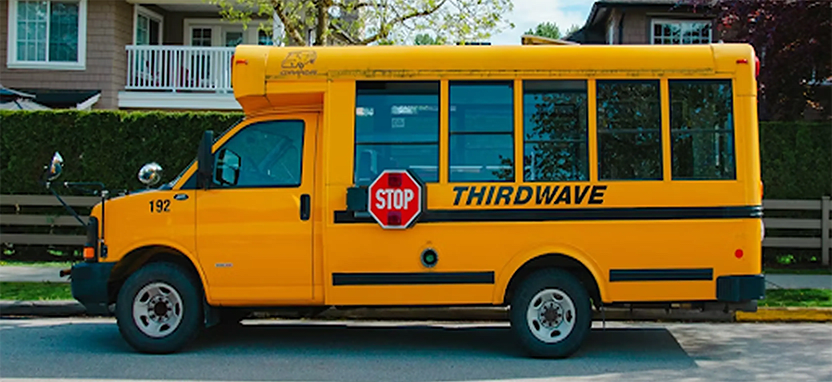
How It Works
- Booking: Services are scheduled in advance via app or website for consistent routes or one-time, last-minute needs.
- Driver & Vehicle Verification: Users receive driver information (photo, name, vehicle details) before pickup to ensure safety.
- Tracking: Parents and administrators can track the ride in real-time.
- Assistance: Drivers provide door-to-door or curb-to-curb service, often assisting children with seatbelts.
Who it is for
- Local transport business owners
- Education-focused startups
- Fleet operators serving schools or districts
How to Start
- Market Research and Plan.
- Legal and Insurance: Register the business (LLC, EIN), secure commercial insurance, and obtain state and local permits.
- Vetting and Training: Hire drivers with clean records, conduct background checks, and provide specialized training.
- Vehicle Preparation: Ensure vehicles meet safety standards (for example, inspections and proper maintenance).
- Use software for scheduling, routing, and tracking.
Startup Cost
- Vehicle cost: $25,000 to $55,000 used or new passenger van/mini-bus suitable for school runs.
- Infrastructure cost: Dispatch/routing software, GPS tracking, phone system, basic office setup: $2,500 to $8,000 (exact prices depend on chosen software).
- Operational & compliance: Insurance, driver hiring/training, fuel, maintenance buffer, permits, safety compliance: $12,000 to $25,000.
- Total cost: Approximately $39,500 to $88,000 to start a one-vehicle school transport service.
Risk, safety, and guidelines
- Release children only to authorized adults and avoid leaving them alone at drop-off.
- Use appropriate child restraint systems (CRS) based on age, height, and weight.
- Maintain vehicles with annual inspections and daily checks. Equip with a first-aid kit, fire extinguisher, communication system, and seat belt cutter.
- Focus on safety with fixed routes and minimal transit time, supported by your app.
- Keep records of inspections, maintenance, and child pickups/drop-offs for review.
- Train in safe operation and emergency procedures, including evacuation drills.
4. Pet friendly Taxi services
Pet-friendly taxi services are specialized transportation options that safely and comfortably transport animals. Most standard cabs refuse to accept furry passengers. These services often offer door-to-door service for pets traveling with their owners. In some cases, they also transport pets alone to appointments.

How It Works
- Booking: Like regular taxis, you can schedule pet taxis by phone, app, or website. Customers share details about the pet's size, breed, temperament, and any special needs.
- Transport Setup: Vehicles are usually equipped with air conditioning, sanitized, and include pet carriers, crates, blankets, and seatbelts.
- Safety Protocols: Pets typically need to be in a carrier or secured with a harness or leash during the ride.
- Service Offerings: Services include short local trips to the vet or groomer and long-distance pet relocation.
Who it is for
- Solo founders
- Small service businesses
- Pet industry professionals
- Entrepreneurs starting with one vehicle
- Niche transport operators
How to Start
- Market Research: Analyze local demand and competition.
- Business Planning: Create a comprehensive plan covering operations, costs, and service areas
- Legal & Insurance: Register the business, obtain licenses, and secure specialized Pet Taxi Liability Insurance.
- Vehicle Preparation: Ensure the vehicle is safe, clean, and well-maintained.
- Protocols: Develop a passenger form for pets with medical history and vet details; establish a cleaning schedule.
- Marketing: Build a website, use social media, and promote at local pet-friendly businesses.
Startup Cost
- Vehicle Purchase or Lease: Costs range from $7,000 to $12,000+; leasing may be cheaper.
- Insurance: Requires commercial auto & specialized coverage like pet transport insurance & animal liability insurance, around $500 to $1,500 initial
- Licensing and Registration: Variable costs; may need special licenses, such as a USDA License, around $200 to $620
- Pet safety crates, bowls, first-aid kit: $500 to $2,000; USDA/transport licenses and business registration
- Initial Capital: Startup costs are lower with an existing vehicle, but can increase for a full fleet.
- Approximately $12,500 – $52,000+ to launch a basic pet transport service (one vehicle)
Equipment needed to start a pet-friendly taxi service
- Pet Crates/Carriers: Various sizes of secure crates for different pet sizes.
- Safety Restraints: Dog harness seatbelts for pets that cannot be created.
- Sanitization Supplies: High-quality disinfectants, cleaning spray, and wet wipes to keep the vehicle clean between pets.
- Comfort Items: Pet pads, blankets, and a portable water bowl.
- Emergency Kit: Basic pet first-aid kit.
5. Women-First Taxi Service
Launching a women-first taxi service in the USA, like SheRide, focuses on creating a safe, female-only transport platform. This service connects female drivers with female passengers via specialized apps, ensuring secure and comfortable rides.
Women-only taxi services are important because women are greatly underrepresented as drivers. Only about 5% of NYC taxi drivers are women, and just 1% of yellow cab drivers are female.
Surveys in major cities reveal that more than one-third of women feel unsafe using regular transport late at night. This concern drives many to look for safer options.

How It Works
- App-Based Model: Passengers and drivers connect through a dedicated app.
- Female-Only Verification: Both the driver and the passenger are verified as female, often using government-issued IDs.
- Safety Features: This includes in-app panic buttons, real-time ride tracking, and 24/7 support.
- Driver Screening: There are strict background checks, including reviews of criminal records and driving history.
Who it is for
- Women-led startups
- Safety-focused mobility founders
- Social-impact entrepreneurs
- Platform-based ride-hailing startups
How to Start
- Legal Structure and Licensing: Set up a business entity like an LLC or Corporation. Get the taxi or transport licenses you need, which depend on your city or state.
- Develop the App: Build a secure app interface that manages booking, tracking, and payment.
- Recruit Drivers: Use a strict vetting process to select female drivers. Insurance Compliance: Get specialized commercial auto insurance, which is essential for ride-hailing services.
- Marketing and Launch: Focus marketing on women's safety forums, social media, and local community groups.
Startup Cost
- App Development: $7000 to $50,000 or more for custom, user-friendly, and secure options.
- Insurance: High premium costs, often ranging from $5,000 to $15,000 each year for every vehicle, depending on coverage.
- Licensing & Legal Fees: $2,000 to $10,000. Marketing & Branding: $5,000 or more.
- Total Initial Investment: Can go over $50,000 to $100,000 based on fleet size and location.
6. EV Taxi Services
EV Taxi Services uses a network of DC fast chargers to reduce downtime. It operates on a high-turnover, app-based model aimed at urban, eco-conscious, and corporate commuters.

How It Works
- Charging Infrastructure: It mainly uses DC Fast Chargers (Level 3) for quick turnaround times, with Level 2 chargers for overnight charging.
- Software Integration: It uses Smart Charging Management Software (CMS) to manage grid load, monitor charger status, and allow app-based payment.
- The 80/20 Rule: To keep battery health and speed, drivers usually charge between 20% and 80%. They avoid completely draining the battery or charging it to full, as noted in this article.
Who it is for
- Fleet owners adopting electric vehicles
- Sustainability-focused startups
- Operators with charging access
- Businesses serving corporate transport
How to Start
- Market Research & Planning
- Acquire Funding & Permits: Get funding and obtain local zoning, safety, and electrical permits.
- Procure Equipment & Vehicles: Select dependable EV models and fast-charging hardware.
- Install & Launch: Set up infrastructure and start marketing, including adding chargers to apps.
Startup Cost
- Infrastructure: A single DC fast charger can cost between $20,000 and over $100,000 per unit.
- Installation expenses often exceed the hardware cost.
- Vehicles: Individual electric vehicle costs range from $30,000 to over $60,000.
- Total Setup: A small pilot project may require $10,000 to over $100,000.
7. Subscription-Based Taxi Services
Subscription-based taxi services like Uber One and Lyft Pink are changing the ride-hailing industry. They are moving from commission-based models to recurring revenue models. These new models offer lower fares, perks, and reliable service for users while building loyalty.
How It Works for
- Driver Model (Zero Commission): Drivers pay a fixed subscription fee (daily, weekly, or monthly) and keep 100% of the fares, using the app mainly for leads.
- Rider Model (Uber One/Lyft Pink): Riders pay a monthly or yearly fee for benefits like discounted rides and priority service.
- These services utilize cloud infrastructure (AWS, Azure) and white-label software for quick deployment.
- Key Differences: Unlike traditional models, some platforms allow drivers and riders to negotiate prices, charging only for making the match.
Who it is for
- Tech entrepreneurs
- Fleet operators using subscription models
- Platform builders using white-label software
How to Start
- Choose the subscription model: driver-paid (zero commission) or rider-paid (monthly benefits)
- Launch with a white-label taxi app to reduce cost and speed up deployment
- Set clear subscription pricing and service rules
- Onboard a small, reliable driver base and verify documents
- Secure local licenses, permits, and commercial insurance
- Start in one city or zone, test demand, then scale gradually
Startup Cost
- Total Estimated Investment: $10,000 to over $50,000 for a small to mid-sized local service.
- App Development: $4,000 to $6000 for a readymade white-label app like Uber; $30,000 to $100,000 for custom-developed taxi apps.
- Vehicle and Operations: $15,000 or more for purchasing a used vehicle, plus insurance, licensing, and branding, such as top lights and decals.
- Ongoing Maintenance: Set aside 15 to 20% of the initial build cost each year for technical support and app updates.
8. On-Demand App-Based Taxi Business
On-demand app-based taxi services have changed urban transportation. They are shifting from traditional street-hailing to digital, GPS-enabled booking systems. These new systems offer convenience, transparency, and safety.
The industry is expanding, with a projected compound annual growth rate of over 14% through 2034. This growth is fueled by smartphone use and urbanization.
Marketplace vs owned fleet
Category
Marketplace Model
Owned Fleet Model
Fleet ownership
Upfront cost
Scalability
Driver supply
Control over quality
Compliance burden
Unit economics
Risk exposure
Best for
How It Works
The on-demand taxi app operates through three components: User, Driver, and Admin. The workflow includes:
- Request: The passenger inputs their location, destination, selects a vehicle type, and sees the estimated fare.
- Matching: An algorithm finds the nearest driver.
- Pickup & Trip: The driver accepts, picks up the passenger, and navigates via GPS.
- Payment & Rating: Payment is processed, either cashless or cash, followed by mutual ratings.
- Revenue Generation: Revenue comes from ride commissions (15-30%), surge pricing, and potential advertising.
Who it is for
- First-time founders
- Startup teams launching marketplaces
- Traditional taxi owners moving online
- Entrepreneurs using ready-made taxi apps
How to Start
- Market Research & Niche: Identify a specific target audience or geographic location, such as specialized services for women or luxury services.
- Business Model Selection: Choose between a marketplace or an owned fleet.
- Taxi software Development: Create or buy a ready-made taxi app solution that includes Passenger, Driver, and Admin panels.
- Legal Compliance: Obtain necessary licenses, permits, and insurance for commercial passenger transportation.
- Driver Recruitment: Hire drivers, check their documents, and provide training.
- Marketing & Launch: Use promotions, referral bonuses, and digital marketing to attract users.

Launching a Taxi Platform?
Get our guide to explore taxi app features, business models, and launch strategies.
Startup Cost
When planning your launch, one of the biggest questions founders ask is how much does it cost to start a taxi business
Costs vary significantly based on the chosen model and app customization.
- Readymade/White-label Taxi app solutions have a lower cost and offer a faster time to market. Costs around $15,000 to $50,000 + based on the provider.
- RadicalStart’s AI-powered Uber clone offers a fast-launch, lower-cost, combining ready-made rider, driver apps, and admin panel with features like AI-powered voice translation, dynamic pricing, and demand forecasting for scalable growth.
- Custom Development is more expensive because it requires building from scratch for Android, iOS, and the admin panel.
9. VIP & Luxury Chauffeur Taxi
A VIP and Luxury Chauffeur Taxi service in the USA offers a high-end transportation option. This service is usually booked in advance and features top-quality vehicles such as sedans, SUVs, and limousines. The drivers are professional and screened. Unlike regular taxis, these services focus on comfort, privacy, and exceptional service.

How It Works
- Customers book in advance via websites, apps, or phone calls, customizing schedules and vehicle requests.
- Chauffeurs are trained in etiquette, wear uniforms, and offer amenities like bottled water and Wi-Fi.
- Drivers undergo professional training and background checks, and the service uses high-end vehicles such as the Mercedes S-Class and BMW 7 Series.
- Pricing is flat for airport transfers and hourly for private or event bookings.
Who it is for
- Premium service operators
- Hospitality and event businesses
- Limo and luxury fleet owners
How to Start
- Market Research & Niche Selection: Identify your target market (e.g., airport transfers, weddings, corporate).
- Form a Legal Entity: Establish an LLC or corporation to safeguard assets.
- Secure Permits & Licensing:** Obtain necessary DOT numbers, TCP permits, and airport licenses.
- Insurance: Acquire specialized commercial "livery" insurance.
- Acquire Vehicles: Purchase or lease late-model, high-end vehicles.
- Technology Integration: Utilize software for dispatch, booking, and tracking.
- Marketing & Branding: Create a professional website to showcase reliability and quality service.
Startup Cost
Startup costs vary a lot depending on whether you're a solo operator or starting a fleet.
- Minimal Setup (Owner-Operator): $20,000 to $60,000, usually involving leasing one vehicle and focusing on airport pickups or local clients.
- Mid-Range (1-2 Used Luxury Vehicles): $50,000 to $100,000, which includes buying used luxury SUVs or sedans like the Lincoln Navigator and covering insurance.
- High-End/Fleet Launch: Over $150,000, which includes new vehicles such as the Mercedes-Benz S-Class, updated technology, and marketing aimed at high volume.
10. Taxi for Tourists With Guided Micro-Tours
A taxi service for tourists combines regular ride-hailing with short guided city tours. Passengers can explore landmarks, culture, or food routes during their ride. The service uses trained drivers who are also the guides or provide in-app audio guides.
How It Works
- Hourly or On-Demand Booking: Tourists can hire a cab for set periods, like 4 or 8 hours, rather than just for one destination.
- Themed Stops: The service includes pre-planned "micro-tours" with brief stops at landmarks, featuring commentary from the driver or an app.
- Custom Itineraries: Passengers can modify their stops during the trip, allowing them to spend more time at certain places or skip others.
- Seamless Navigation: Drivers manage traffic and parking, dropping passengers directly at attraction entrances for added convenience.
Who it is for
- Tourism business owners
- Fleet operators in tourist cities
- Experience-based transport startups
- Founders working with hotels and travel agencies
How to Start
- Define tourist routes,
- Train drivers as local guides,
- Launch using a white-label taxi app.
- Partner with hotels, airports, and travel agencies.
Startup Cost
- Technology (App & Platform): $5,000 to $20,000. This includes a white-label ride-hailing app, a content management system, and audio-tour integration.
- Licensing & Insurance: $3,000 to $10,000 or more. This covers commercial taxi permits and specialized tourist transport insurance.
- Vehicle Preparation & Branding: $1,000 to $5,000. This includes decals, in-car amenities, and audio gear.
- Training & Operational Set-up: $1,000 to $3,000. This involves training drivers as guides and designing routes.
- Marketing & Partnerships: $2,000 to $10,000 or more. This includes brochures for hotels, digital ads, and launch events.
Conclusion
Taxi businesses in 2026 are changing from basic ride-hailing to specialized, tech-driven services.
Models that target specific niches, such as medical transport, EV fleets, subscriptions, or tourist experiences, provide better margins and face lower competition. Success relies on selecting the right business model, meeting local regulations.
Request a product demo
Get a demo and clarify your doubts about our software.
FAQs
Yes, the taxi and ride-hailing industry is continuing to grow in market size and revenue, even though margins remain competitive.
The online taxi services market is expected to increase from about $42.7 billion in 2025 to $47.1 billion in 2026.
Marketplace-based models using white-label or AI-powered taxi apps require the lowest upfront investment, especially when drivers bring their own vehicles.
Startup costs vary greatly. They can be between $10,000 and $30,000 for lean, app-based models. For fleet-heavy or autonomous operations, costs can exceed $100,000.
The amount depends on vehicles, insurance, and compliance
Ride-hailing apps scale faster and require less capital, while traditional or regulated taxi businesses offer more control and stability in certain cities.
The best option depends on local laws and the target market.
Most taxi businesses require commercial vehicle registration, city or state taxi permits, commercial insurance, driver background checks, and, in some cases, ADA or specialized transport approvals.

